
Interviews with Policy “Change Agents” – Post #5
(This post has been modified from its original intention. I set up an interview with two top policy leaders in healthcare, both national experts with experience across a range of roles. Given their current affiliation, although the interview on 3/23/26 was incredibly valuable, they requested privacy. So, a summary will be sent to the professor for her eyes only, and an alternate summary of similar content will be posted here. The issue of transparency in policy advocacy is an interesting one. When operating in the political arena, is it strategic to openly describe your strategy and your bottom-line goals? Common practices like testifying and letter-writing are expected, yet much of this work is done behind the curtain through relationships. That topic can wait for another day. )
Previous posts in this blog focused on a federal policy revision dispute regarding a potential threat to graduate loan funding for educating advanced practice nurses and how that issue could help or hinder workforce needs for perinatal providers in rural areas. To continue that theme, I will describe the thoughts and actions of policy “change agents” who played roles affecting improved perinatal care in rural areas related to the workforce. This is not one interview but an ongoing dialogue with personal colleagues and observations of a series of their actions that reflected personal commitment, philosophy, and policy strategies.
Establishing National Recognition of an Evolving Professional Role
The first individual is one of the “founders” of modern nurse-midwifery and is passionately devoted to caring for those “less fortunate.” Her history is unique, as she is the product of British and South American parents. Much of her passion is rooted in her Catholic faith. She is also grounded in deep networking among “women,” having been raised in private British girls’ schools and treasuring deep friendships.
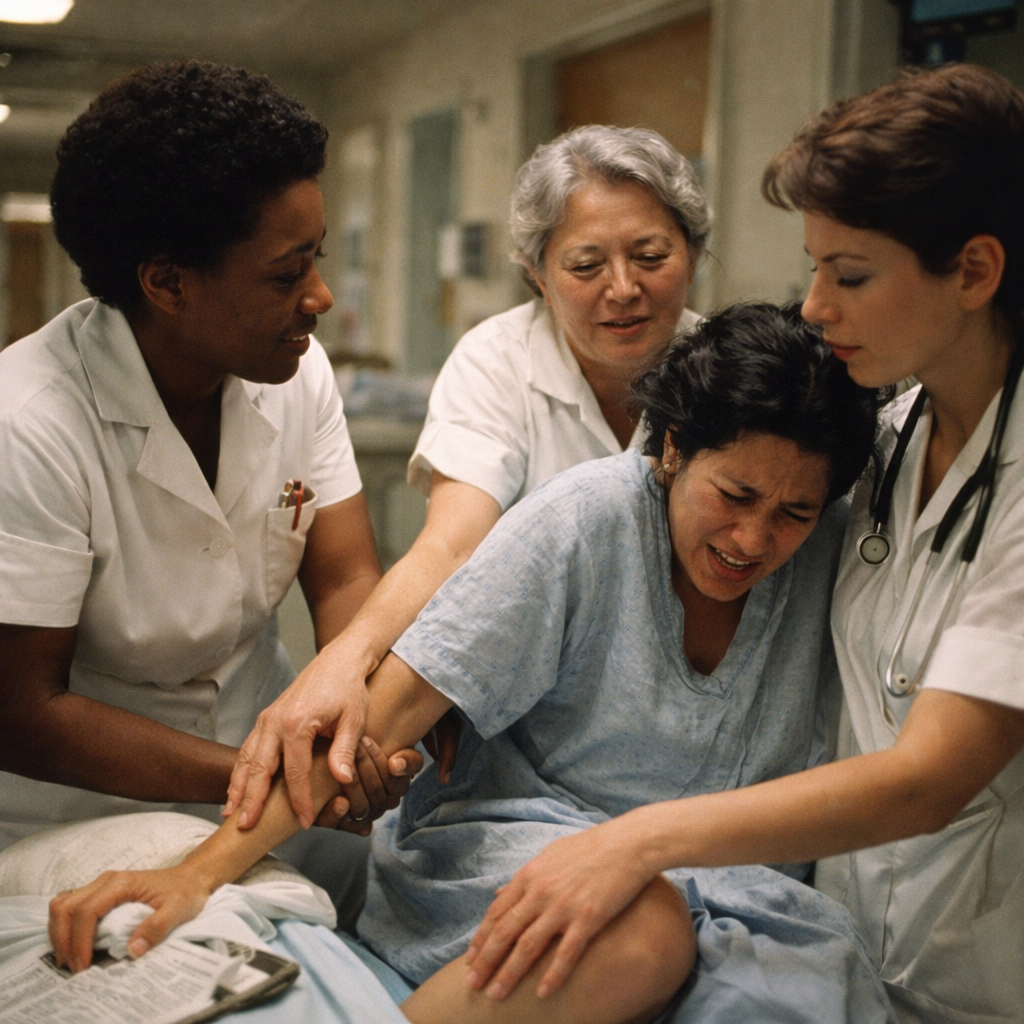
CC became a nurse, as was a common trajectory if you were taught by nuns in the 1950’s. Her father was a physician, and the family lived internationally as he moved for work. She began her career in New York City in “public” hospitals caring for those with the greatest needs. Not long after gaining experience, she enrolled in graduate school to become a nurse-midwife, a role that was just unfolding in a few isolated areas of the United States. That resulted in critical new relationships with supportive physicians, public health administrators, and other nurse-midwives. She describes it as a “heady” time when they felt they “could change the world.”
Through networking with those in education, service, and regulatory arenas, a relatively small group of people “birthed a profession, establishing educational programs, advocating for licensure, and setting up pilot service projects. The first order of business was to formalize and strengthen a professional association, the American College of Nurse-Midwives (ACNM). The certification process became grounded upon reliability and validity. CC was in the middle of all of this. She was one of the early presidents of the ACNM. By the 1970’s, the spotlight was on the United States, and CC was key in bringing the International Confederation of Midwives (ICM) to New York for their annual meeting.
The work was driven by passion and the desire to “support mothers, families, and our precious babies.” Anecdotally, the era felt like a time when your work and your personal life were not separate. Among this group, they worked for what they believed in and felt they could make a difference.

This type of work has been called “kitchen table policy work.” Informal, relationship-based, grounded in experiences in the trenches, and artful use of storytelling. Tasks were divided up by skill sets and individual schedules. Trust was established quickly and remained essential. Those who could help change the system were brought into the circle as valued co-collaborators.
CC continued this work, and to this day, still supports advocacy for improved health care for women in detention in border facilities. I was fortunate to cross her trail as a young midwife invited to join a pilot project in downtown Fresno. CC had created a coalition including the State of California, UCSF, and Fresno County to expand services to those without access. She continued to speak at national meetings and received numerous interview requests.

One of my favorite moments watching her work was a morning after she had been up all night at the hospital. We were all in the clinic seeing patients. She was clearly exhausted, with bags under her eyes, a bit disheveled, and almost walking into walls. At the end of the day, she suddenly remembered she had an appointment with a physician, key to the ongoing well-being of the project. He was due in our office at any moment. I watched her eyes get big as saucers, go into the restroom, and emerge ten minutes later, bubbly and energetic, her eyes twinkling, pink cheeks, hair immaculate, and her lipstick slightly askew. Advocating for policy requires many skills. She amazed me and still does.
Creating a State-of-the-Art Rural Perinatal System
The second individual (SV) is the wife of a rural obstetrician who used her position as wife and business manager to expand care, bring in cutting-edge services, and put her town on the regional map of rural perinatal excellence. Her background was in sociology on the East Coast, but as her generation demanded, when she married, her professional life faded, and her husband and the family became number one. They had five children of their own, but soon she became renowned as the most active and supportive member of the fostering community. They fostered dozens of children and adopted more than I can remember. Somehow, she also managed an obstetric private practice, including her husband and two other obstetricians. I met her after my Fresno chapter and had learned lessons from CC above, about what is possible if you stay focused and work with the right people. I came into town wanting a forever home and a place to invest my skills. SV recognized the passion and the energy. I joined the practice, and we became a team.
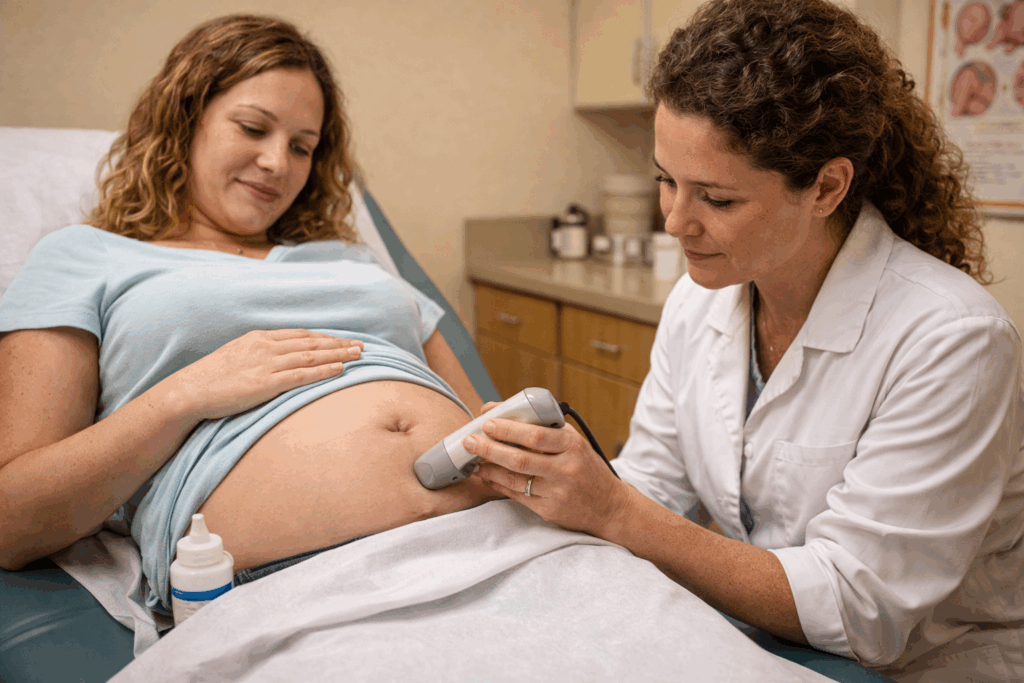
SV was already involved in various state networks related to physicians working in rural obstetrics. When I joined, I shared the existence of other state funding sources for grants and expanded services. She had time to drive to meetings two to three hours away. I stayed at home on-call for patients. Soon, a plan gelled, and we took on grant writing for expanded services, which in California was called the CPSP Program (Comprehensive Perinatal Services Program). In the early days, the program was simple. You provide nutrition, psychological, and education services, and you would be reimbursed more than for a straight MediCal pregnancy. There were other elements, such as outreach to neighboring counties, etc.
Once the grant and the services were in place. We traveled to Berkeley for the state Maternal Child Health meetings to consider improvements and expansions. This was a group of about twenty people sitting around a table. SV had a “don’t waste time; make it work” approach that was delightful. I often thought her experience as a mother was her best credential. She had turned an upscale private OB practice with elegant furniture and a refined atmosphere into a hub of care for all women. We had turned the library into a nutrition counseling area. A storage room into a psych services area, and the waiting room into an education area before and after office hours. We brought in new interpreters and materials in Spanish and held regular meetings with community leaders. Again, a heady time.

My favorite memory of SV was going with her to a state meeting one month. She always brought along her typewriter (computers? what computers… ). As with state meetings, they would discuss something, table it, and put it on the agenda for a month later. We had gone through three months of this, and both of us were out of patience. As the issue was discussed, SV pulled out her typewriter, typed up the issue, typed up the proposed plan, whipped it out of the roller, passed it around, and said, how does this sound? Despite the surprise that a state typist had not been called to the task after another month had passed, everyone agreed it was fine. SV asked for a vote. The policy was approved in an hour. We did another similar end run soon after and created the statewide approved prenatal charting record (before digital records) for the CPSP program in about a week.
SV was similarly effective in addressing foster care policy. She became renowned in Sacramento for her advocacy on behalf of foster children. As the years went by, her network grew to include some of the state’s most powerful politicians. She helped put our town on the map. One summer during law school, I had a temporary job working for an obstetrician in Yreka. When I opened her charts, there was our prenatal form. I had learned that advocacy and policy change were open to anyone and could have far-reaching effects.
Achieving Nurse-Midwifery Autonomous Scope of Practice in California
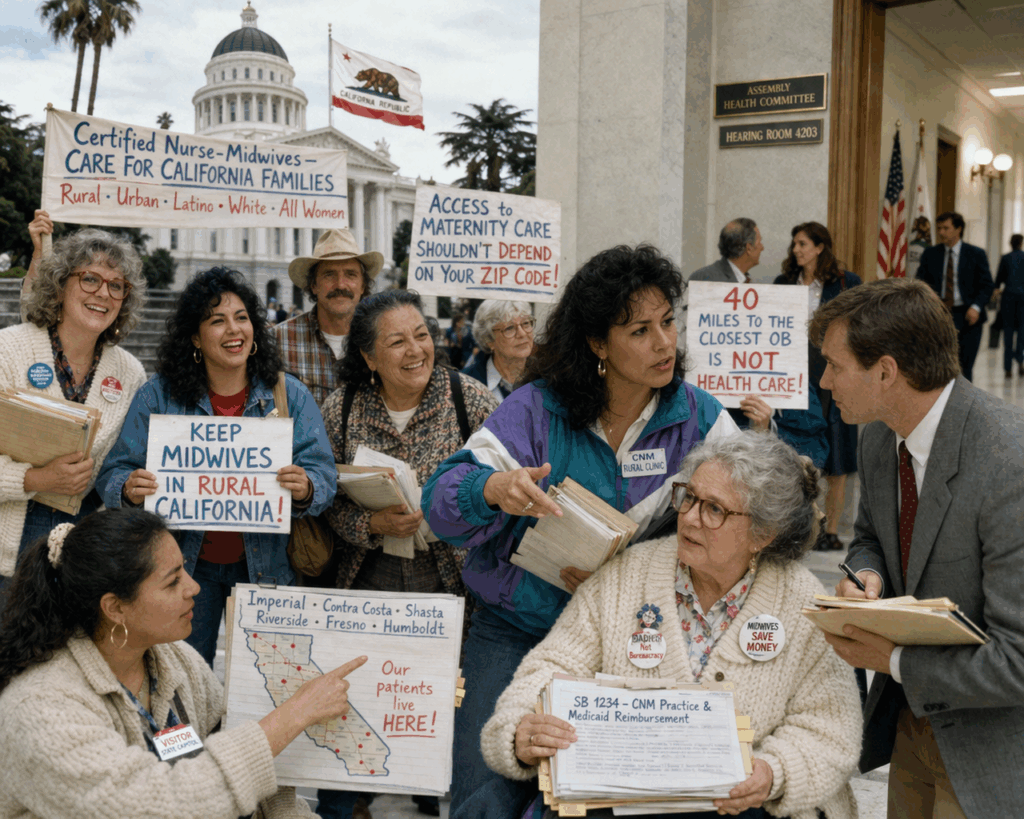
The third individual is an amalgam of personalities who took on the goal of full practice autonomy for certified nurse-midwives in California. This effort was usually spearheaded by the “legislative advocate” for the state chapter of the national association, ACNM. I watched a variety of individuals take this on with gusto repeatedly over the years. There was a cycle. Find a legislator to sponsor the bill. Educate them. Rally for support. Spend a lot of time in Sacramento. Cross your fingers. Grieve. Lick your wounds. Regroup to do it again next year. According to OpenAI (2026), this push lasted forty years. It was always in the background.
In the ten years leading up to achieving success (the actual statutory outcome is complicated), I was on the periphery of this effort as an attorney, helping connect CNM advocates with lobbyists. I believe there was finally success due to the expansion of the digital world, the power of social media, and a shift in public and state perception of advanced practice nurses. Some legislative advocates were more effective than others. Some became discouraged quickly. Some dug in for the long haul. Those CNM advocates who achieved success in 2020 with California Assembly Bill 890 were “bulldogs.” They refused to give up. There was a core of people who were both friends and colleagues. They took on the goal as a kitchen table priority, not dissimilar to CC in the early days. Their success led to their engagement in national policy.
Lessons
Does it take a certain type of personality to “lead the charge” as a policy change agent? In some ways, I would say yes. I believe it takes absolute commitment to your cause and a willingness to go the distance beyond a forty-hour-a-week endeavor. From what I have watched, it takes self-confidence, people skills, and vision. It took a lot of study and knowledge to have confidence in what you were advocating… It also took a thick skin as you ran into dissenters. Everyone described here had a zest for life. With CC, we bonded while climbing under cars in a parking lot to rescue a kitten. With SV, we bonded when my sub sandwich got mushy avocado on the grant application, and she thought I did that for luck, which created a tradition for all future grant applications. With the legislative advocates, it was a moment of tears after forty years of trying that finally landed the home run. Heartfelt people live heartfelt, rich lives.

Policy change, at its heart, is about advocating for what you believe is goodness and the best in life. If you find change agents in your orbit, consider yourself lucky.
OpenAI. (2026). ChatGPT (Mar 29 version) [Large language model].
Deborah Acker
Deborah Acker, JD, DNP, MSN, CNM, FACNM | Healthcare Systems & Workforce Innovation | Education | Clinical, Legal & Academic Integration | Rural & Perinatal Care


You May Also Like

Targeting Nursing and Undermining Health Equity – Post #1

Bending the Arc – A Call to Moral Justice
